Stain-Grade vs. Paint-Grade Trim: How to Choose
By Nicholas Dunn · June 9, 2026 · 6 min read
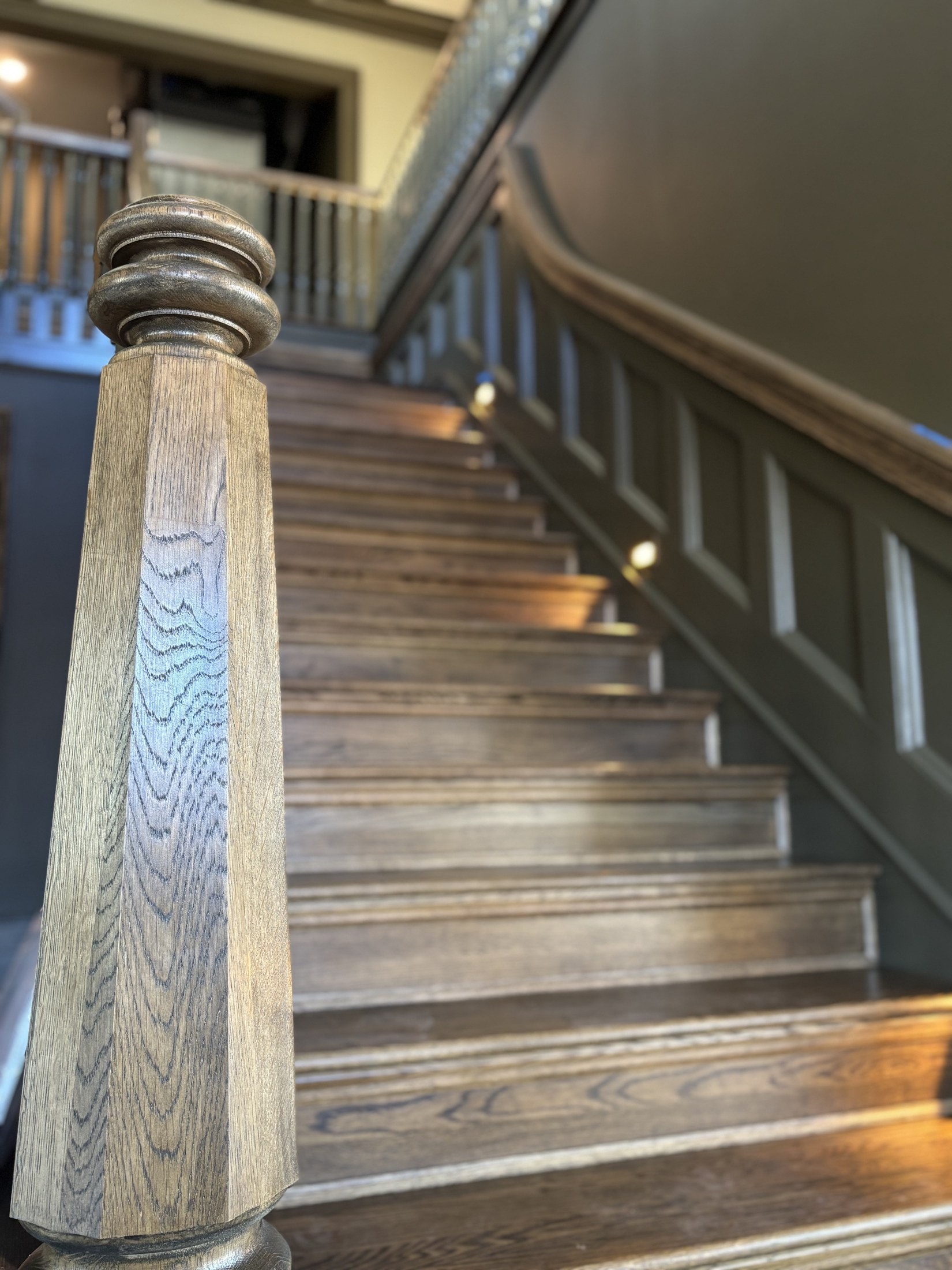
TL;DR
Paint-grade trim is built to be painted, so it uses inexpensive, knot-free materials like poplar, primed MDF, and finger-jointed pine. Stain-grade trim shows the wood itself, so it uses solid hardwoods — oak, maple, walnut — with no filler and far tighter joinery. Choose stain-grade where the wood is the feature and the budget supports it; choose paint-grade for crisp painted millwork and most everyday trim packages.
The difference is simple: paint-grade trim is made to be painted, so it uses inexpensive, knot-free materials that disappear under a coat of paint, while stain-grade trim is made to show the wood itself, so it uses solid hardwoods finished to reveal the grain. Choose stain-grade when the wood is meant to be the feature and the budget supports it; choose paint-grade for crisp painted millwork and the great majority of everyday trim packages.
I spent close to a decade installing trim across hundreds of homes before I moved to consulting, and this is one of the first decisions that quietly sets the tone — and the cost — of an entire project. Get it right and the rest of the spec falls into place. Get it wrong and you're either repainting hardwood you overpaid for or staring at filler smeared across a board that was supposed to glow.
What is paint-grade trim?
Paint-grade trim is any material chosen because it will be covered in paint. Nobody sees the wood, so you don't pay for pretty wood. The common materials are:
- Poplar — a paintable hardwood, stable and reasonably durable. My default for paint-grade where I want a real wood that holds an edge.
- Primed MDF — engineered, dead-flat, no knots, takes paint beautifully. Inexpensive and consistent, but it hates water and dents.
- Finger-jointed pine — short pieces glued end to end, primed. Cheap and straight, fine for painted casing and base in dry areas.
Because the surface gets primed and painted, small gaps and nail holes get filled with caulk and wood filler and vanish. That forgiveness is exactly why paint-grade is faster to install and cheaper overall.
What is stain-grade trim?
Stain-grade trim is solid wood selected because the grain will be seen and finished — stained, oiled, or clear-coated. There's nowhere to hide, so both the material and the workmanship have to be right. Typical species:
- Red oak — affordable, strong open grain, the classic stain-grade workhorse.
- White oak — cleaner, tighter figure; reads modern, especially rift-sawn for those long straight lines.
- Maple — smooth and subtle, but it can blotch when stained, so it wants careful finishing.
- Walnut — the premium choice: rich, dark, expensive, and stunning in the right room.
When you order stain-grade, you also specify grade — clear or FAS for the cleanest boards — so you're not paying hardwood prices for knots and defects you'll have to cut around.
How does installation differ?
This is the part homeowners underestimate. The two are not the same job:
- No filler to bail you out. On paint-grade, a slightly open miter gets caulked. On stain-grade, caulk and wood filler smear and show — every joint has to fit clean on its own.
- Tighter joinery. Stain-grade rewards coped inside corners and dead-tight miters because the eye lands on the wood, not the paint.
- Grain matching. A good installer keeps color and figure consistent run to run, which costs time and material.
- Pre-finishing. Stain-grade is often stained and sealed before it goes up so the finish wraps the profile and seasonal movement doesn't expose raw lines.
So stain-grade costs more twice over — pricier wood and slower, higher-skill labor. If you want to see where these joinery choices show up most, my guide on crown molding profiles walks through the details.
Which costs more?
Stain-grade, clearly and on both lines. I won't invent precise figures, but as a ballpark:
- Material: solid hardwood runs materially more than poplar or MDF — often a multiple, not a small bump, and walnut sits well above oak.
- Labor: the tighter fit-up and pre-finishing add hours, so the install line climbs too.
The honest way to think about it: paint-grade is the budget-friendly path that still looks crisp, and stain-grade is an investment you make where the wood earns it.
Which is more durable and repairable?
It's a trade-off, not a clear winner:
- Durability: solid hardwood shrugs off dings better than MDF, which crushes and swells if it gets wet. Poplar lands in between.
- Repairability: paint-grade is easy — fill, sand, repaint, invisible. Stain-grade is harder, because matching stain and grain on a patch is genuinely difficult, though minor scuffs can sometimes be buffed into the finish.
Which should you choose?
A simple decision guide:
- Choose stain-grade for showcase rooms — a study, library, or great room — character builds, high-end projects, and anywhere the wood is the point.
- Choose paint-grade for most whole-house trim packages, crisp white painted millwork, transitional and contemporary looks, and budget-conscious builds.
- Mix them on purpose. Stain-grade on one feature, painted trim everywhere else, is a smart, common move — just decide it room by room before anyone orders material.
If you're a homeowner weighing this for your own renovation, my guidance for homeowners covers how these calls fit the bigger picture; designers specifying for clients can start with my work with interior designers.
Common expensive mistakes
- Specifying stain-grade, then painting it. You paid a premium for hardwood and then hid it. Decide the finish first.
- Cheaping out on stain-grade joinery. Beautiful walnut installed with sloppy, filled joints looks worse than clean paint-grade. The wood demands the labor.
- Putting MDF in wet or high-abuse areas. Bathrooms, mudrooms, mopped baseboards, garages — MDF swells and crushes. Use poplar or solid wood there.
- Comparing bids with different assumptions. One bidder priced MDF, another priced oak, and the numbers look miles apart for no obvious reason.
That last one is why the spec matters. When you write down material, species, grade, and finish, every bid is priced against the same thing — my walkthrough on how to write a trim specification shows exactly how.
Bottom line
Paint-grade and stain-grade aren't better or worse — they're different tools. Paint-grade gives you clean painted millwork at a friendly price with easy repairs. Stain-grade gives you real wood and warmth, at a real premium, demanding real craftsmanship. Pick based on whether the wood is meant to be seen, then write it into the spec so nothing gets lost between design and install. If you want a second set of eyes on which way to go for your project, book a free Discovery Call and we'll walk through it together.
About the Author
Nicholas Dunn is a finish carpenter and the founder of Dunn Trim Co., with the better part of a decade at the saw. He helps homeowners, designers, architects, contractors, and trim companies get finish carpentry right. More about Nicholas →